
Exhibition

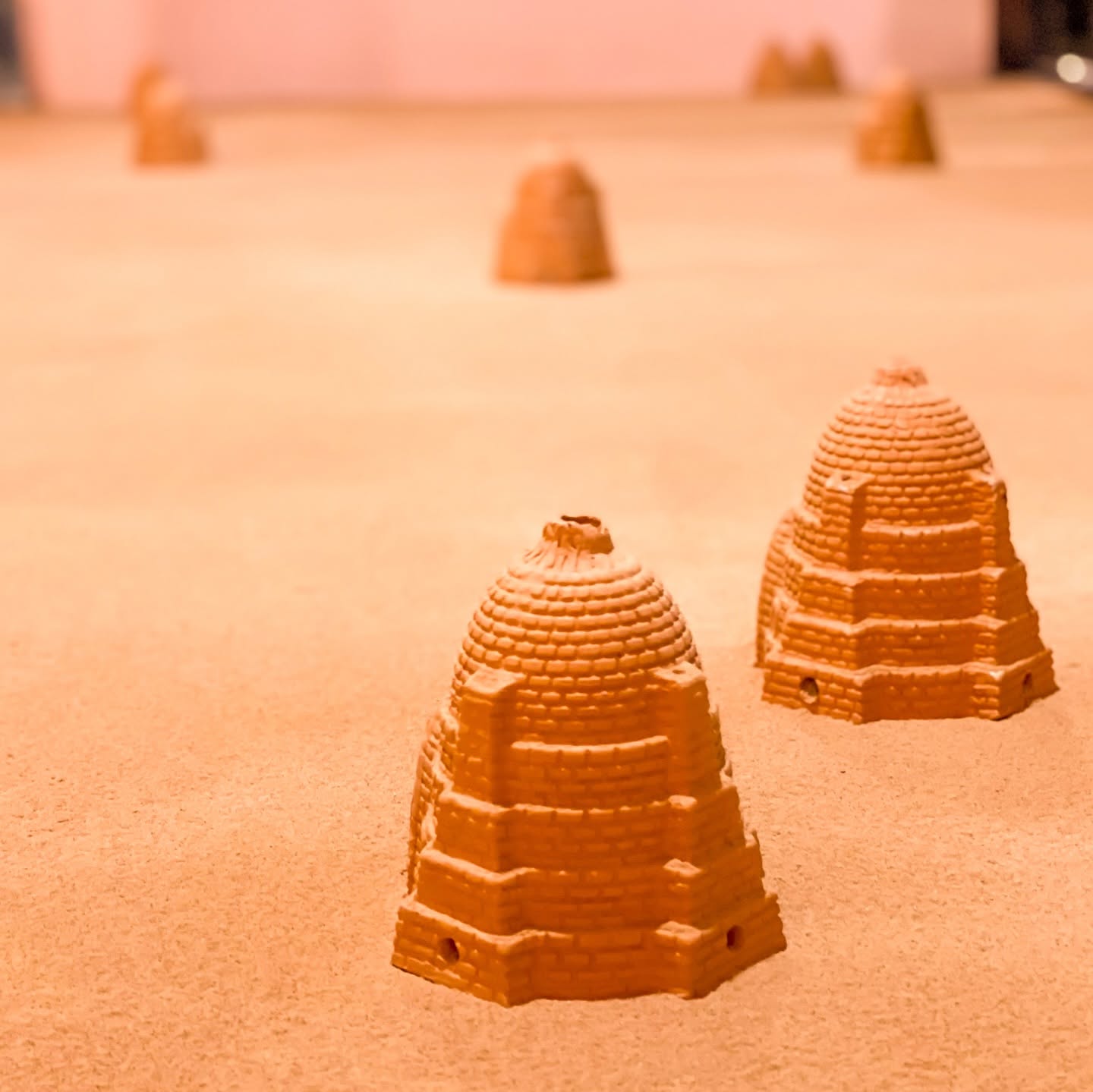
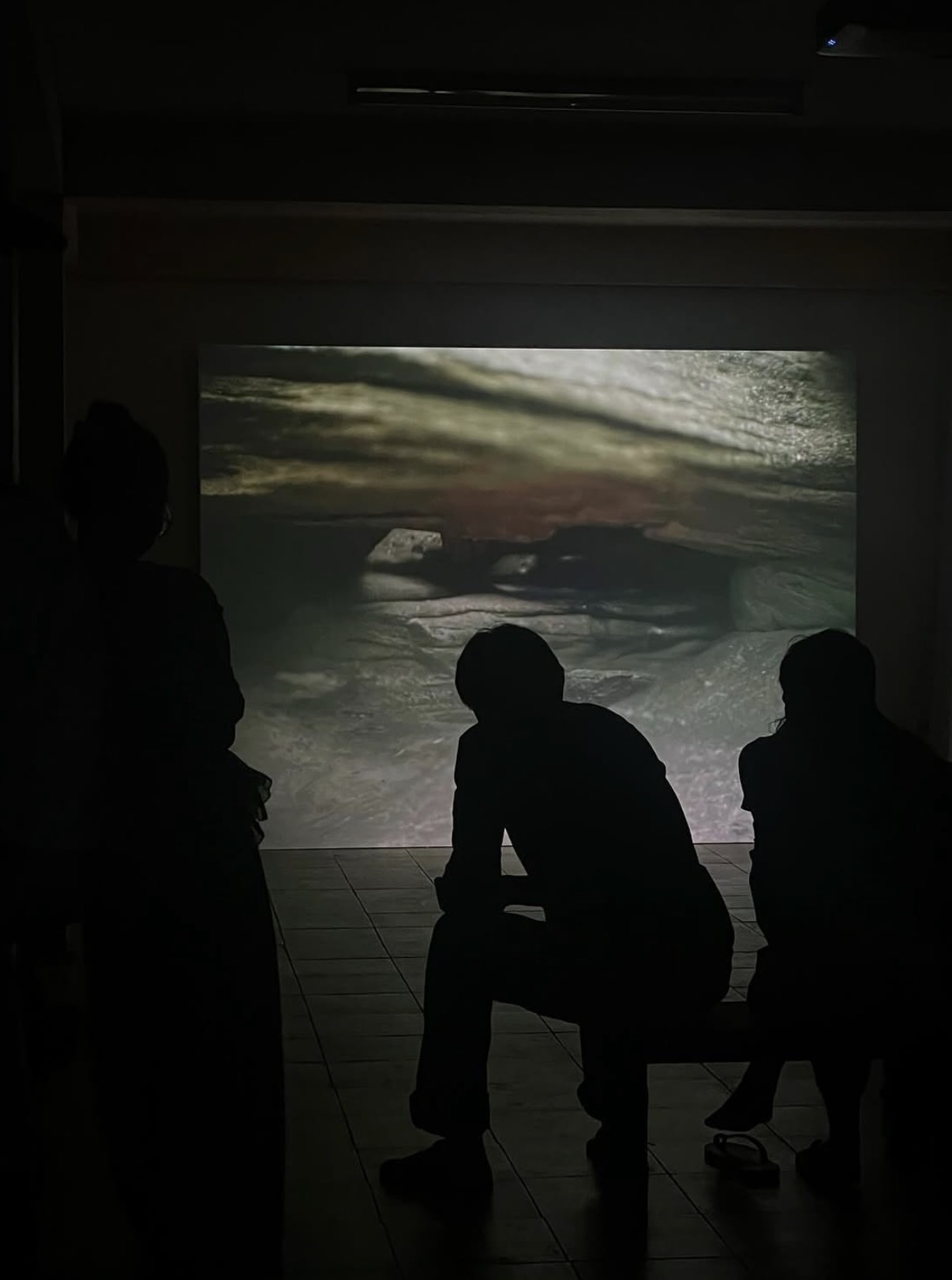
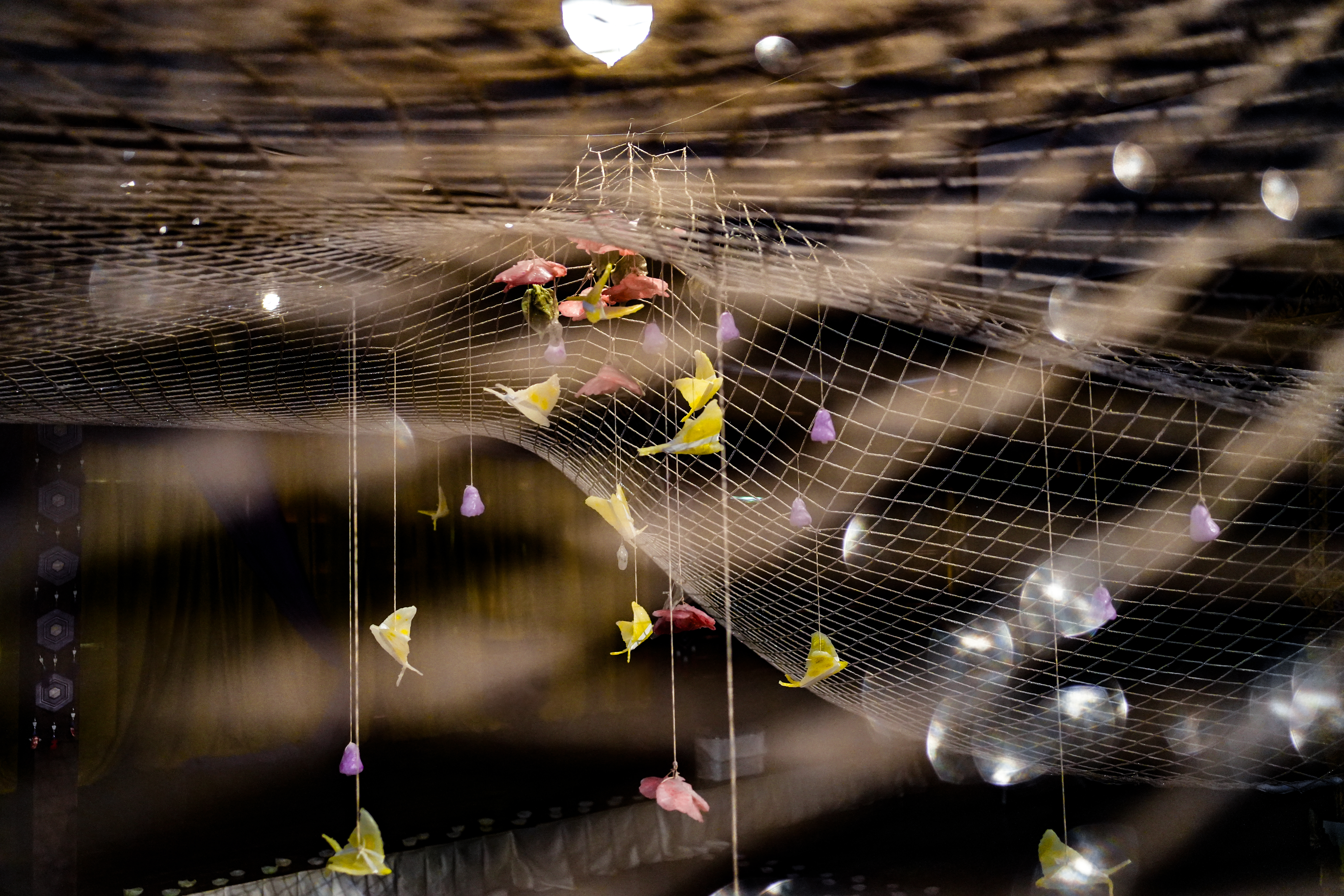
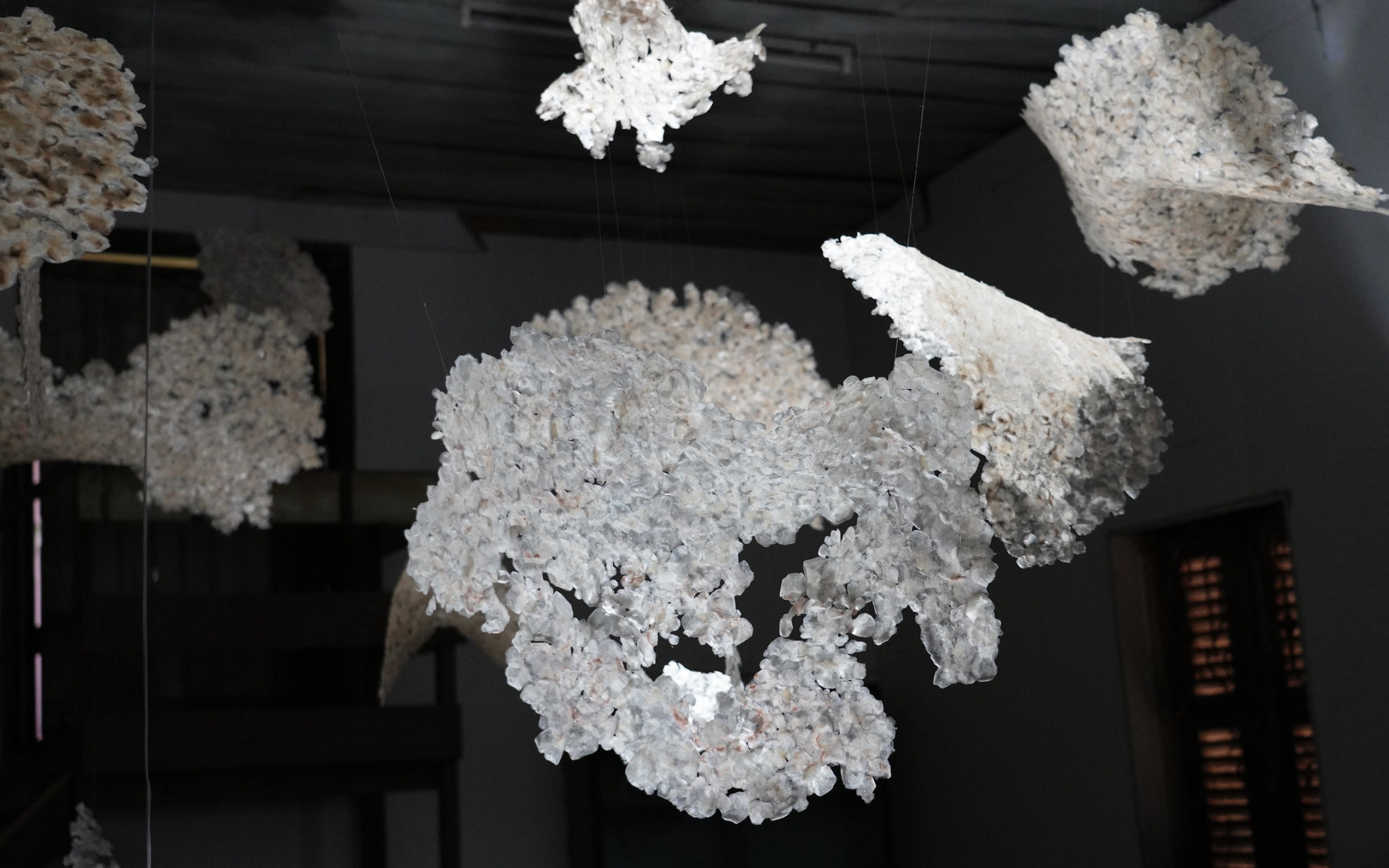
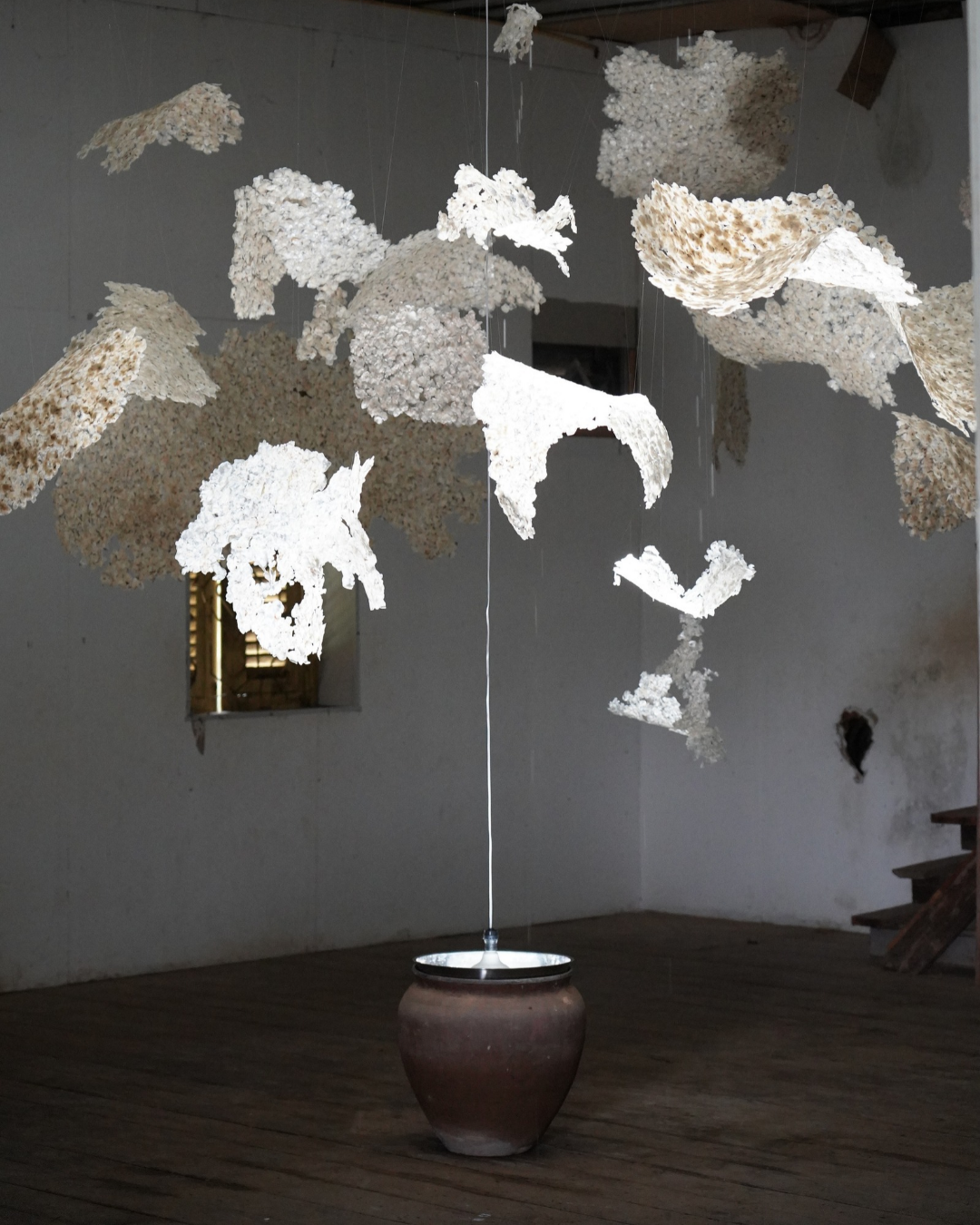
How to Erase the Mekong Dams, 2024
Anurak Tanyapalit
GMS Artists Exhibition 2024
NO RIVER WE CRY
Photo bv Supernormal
GMS Artists Exhibition 2024
NO RIVER WE CRY
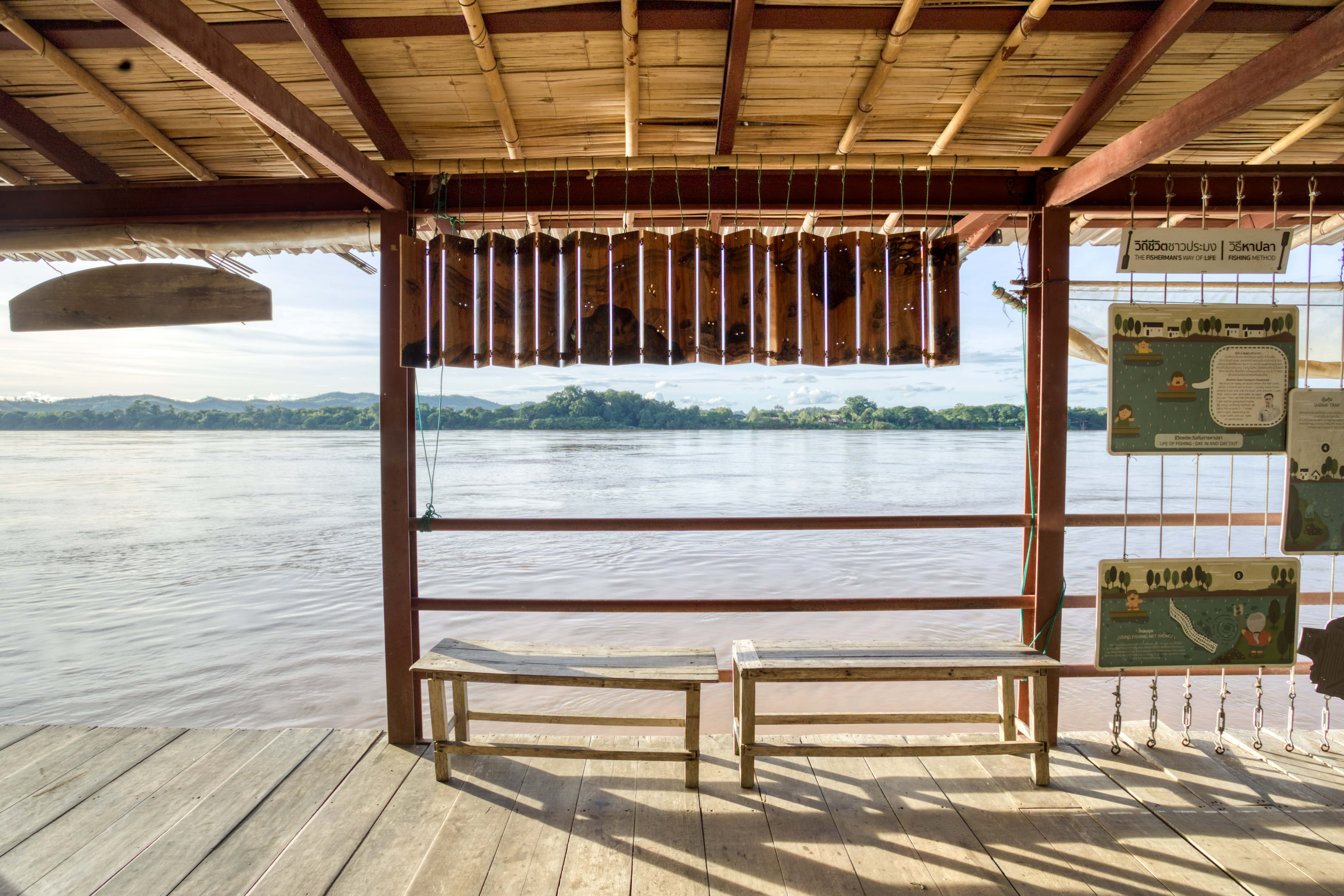
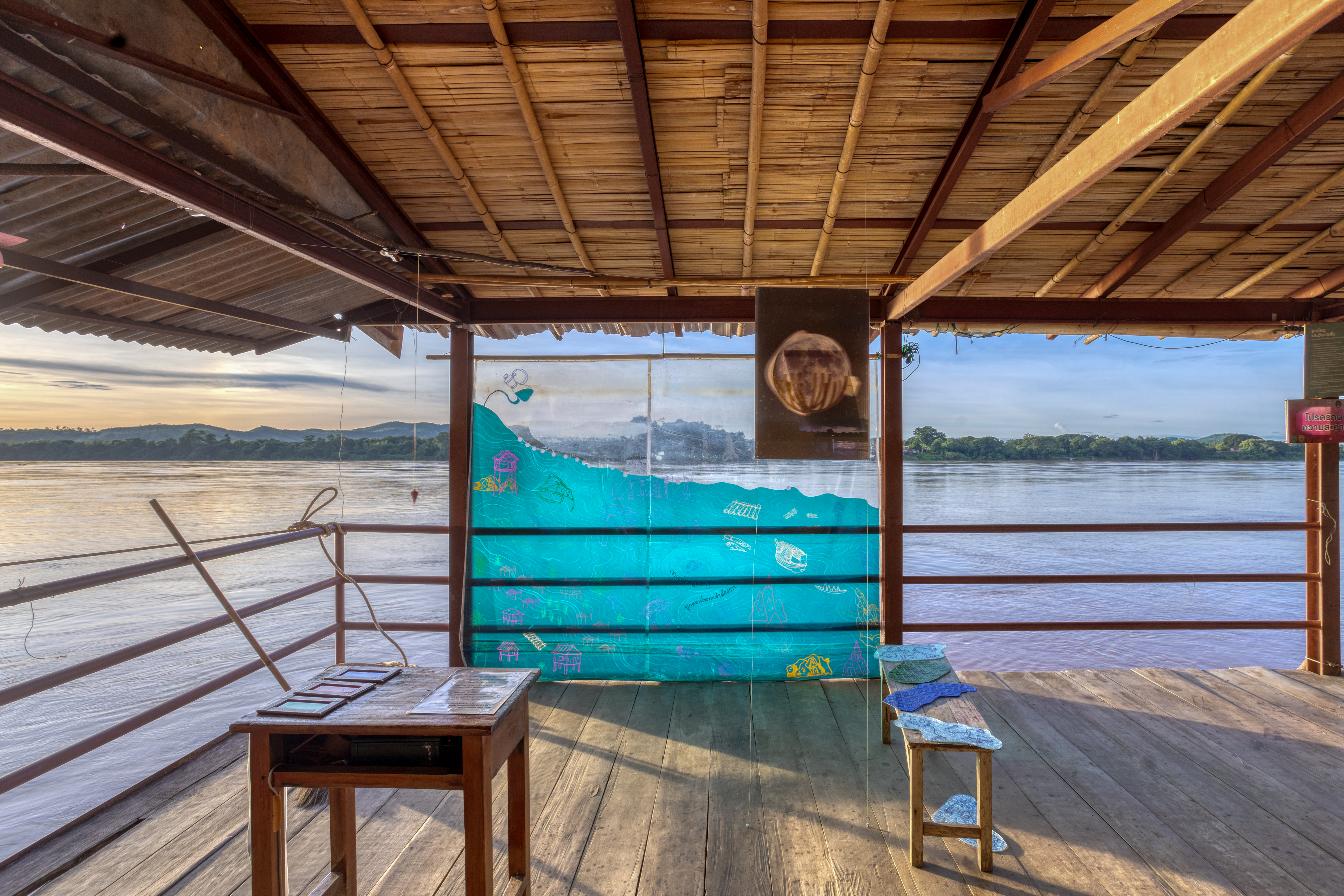
The Mekong, a mighty river originates from the Himalayas and has been a cradle for civilisation which sustains lives and all beings across 4,800 kilometres in six countries, starting from China, Myanmar, Laos, the north and northeast of Thailand, Cambodia, and flowing to the South China Sea in Vietnam, is undergoing tremendous changes. Its effects and affects can be felt across all aspects of life, from environment to ecology, economics to sociopolitics, and traditions to cultures. As ‘Water has no return’, humans’ encroachment on the Mekong could lead to irreversible transformations of this indispensable body of water.
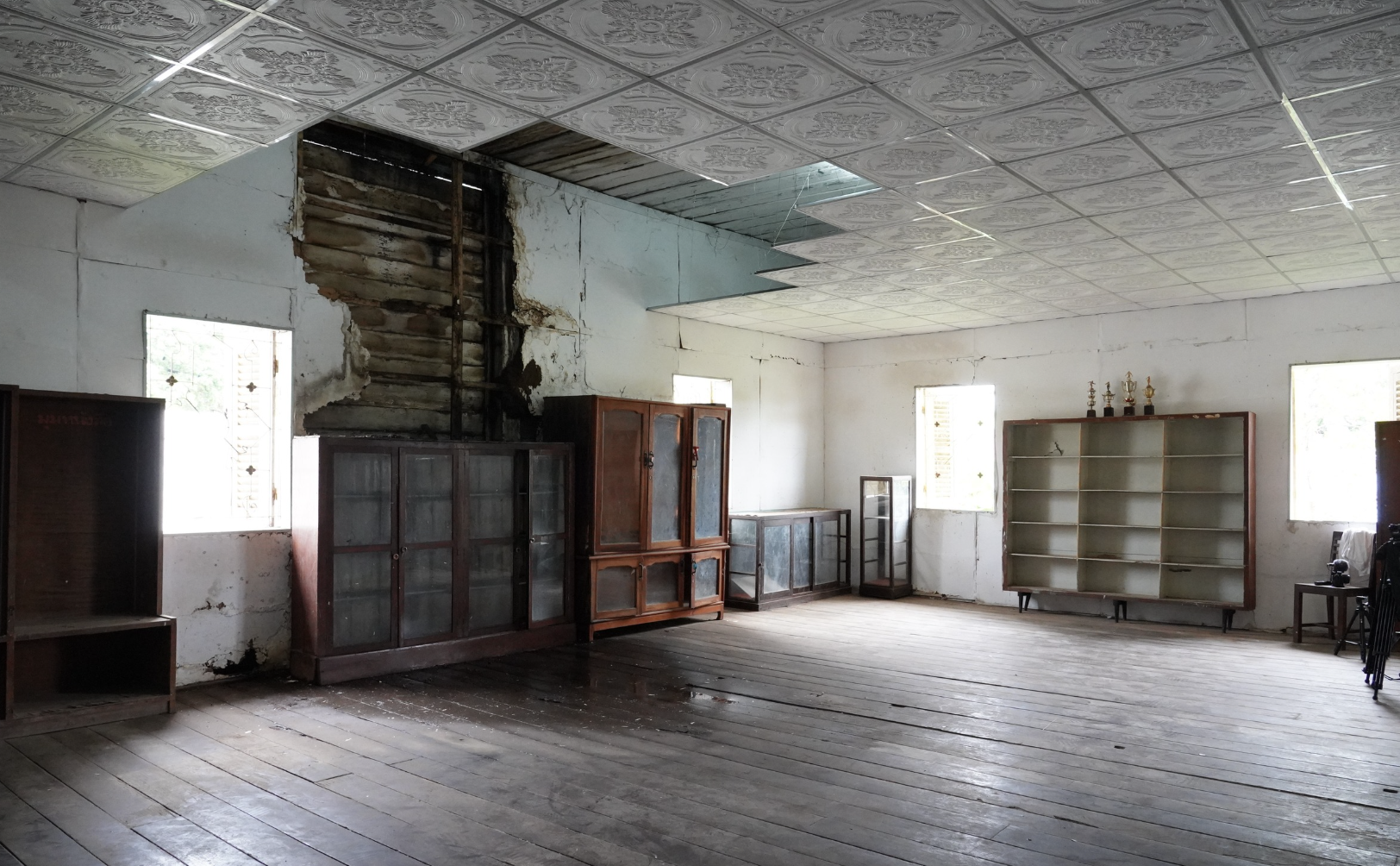
This exhibition delves into such pressing concerns about the fate of the Mekong through 10 works by emerging artists from all six countries of the Greater Mekong Subregion and two guest artists from Ubon Ratchathani Province. Exhibited across three sites in Khemarat District: Khemarat City Museum, House of Khun Phuri Prasat and Khemarat Photography Club Building–all reflect the former prosperity of this once major city of the Northeast–the works let us ponder the vitality of the Mekong, whose existence has always been a lifeblood of this subregion.
Exhibition title courtesy of Rirkrit Tiravanija
What will happen when rivers—the main source of lives—dry up?
17 August - 8 September 2024
Khemarat district, Ubon Ratchathani province, Thailand


Of course, WE CRY.

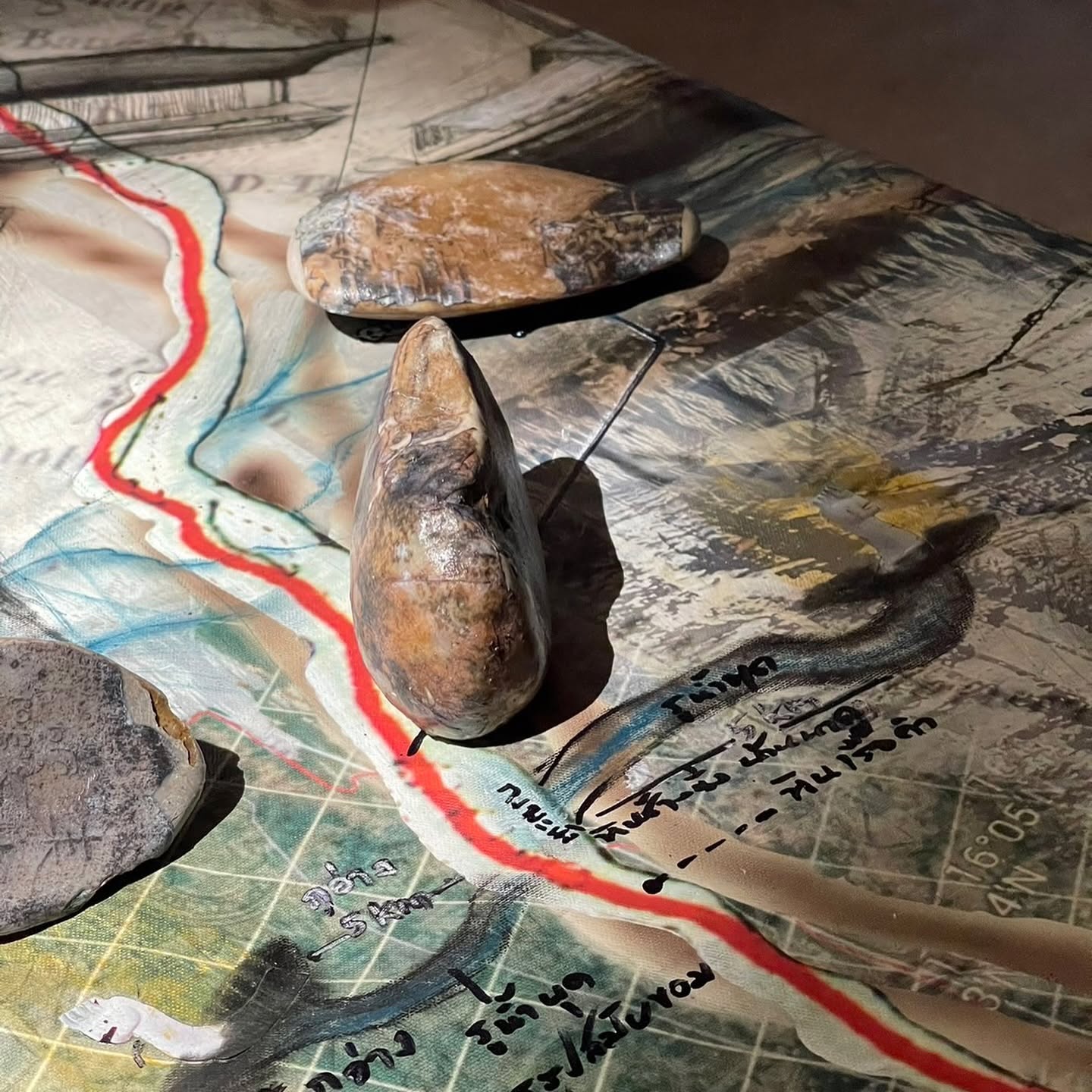
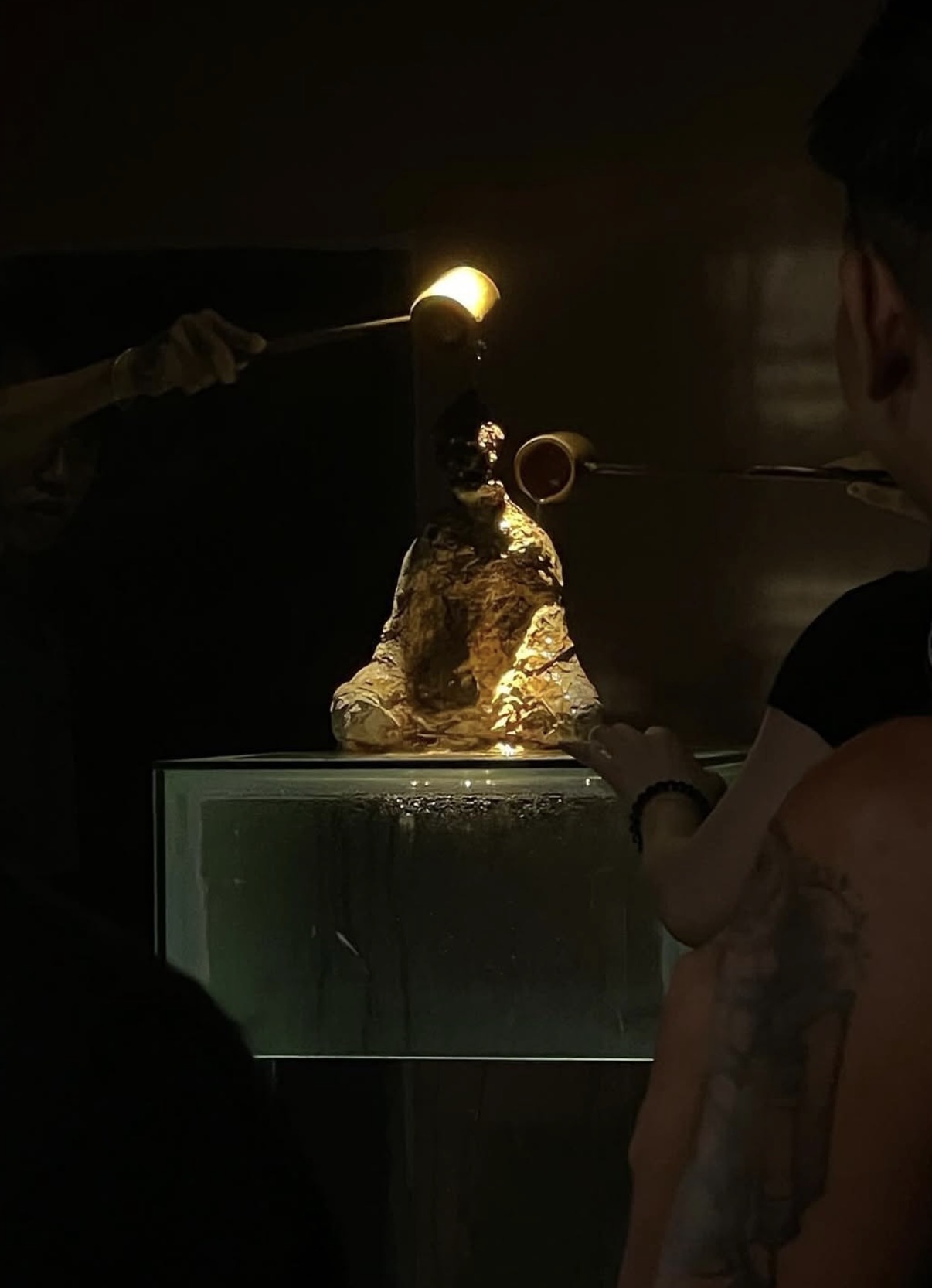
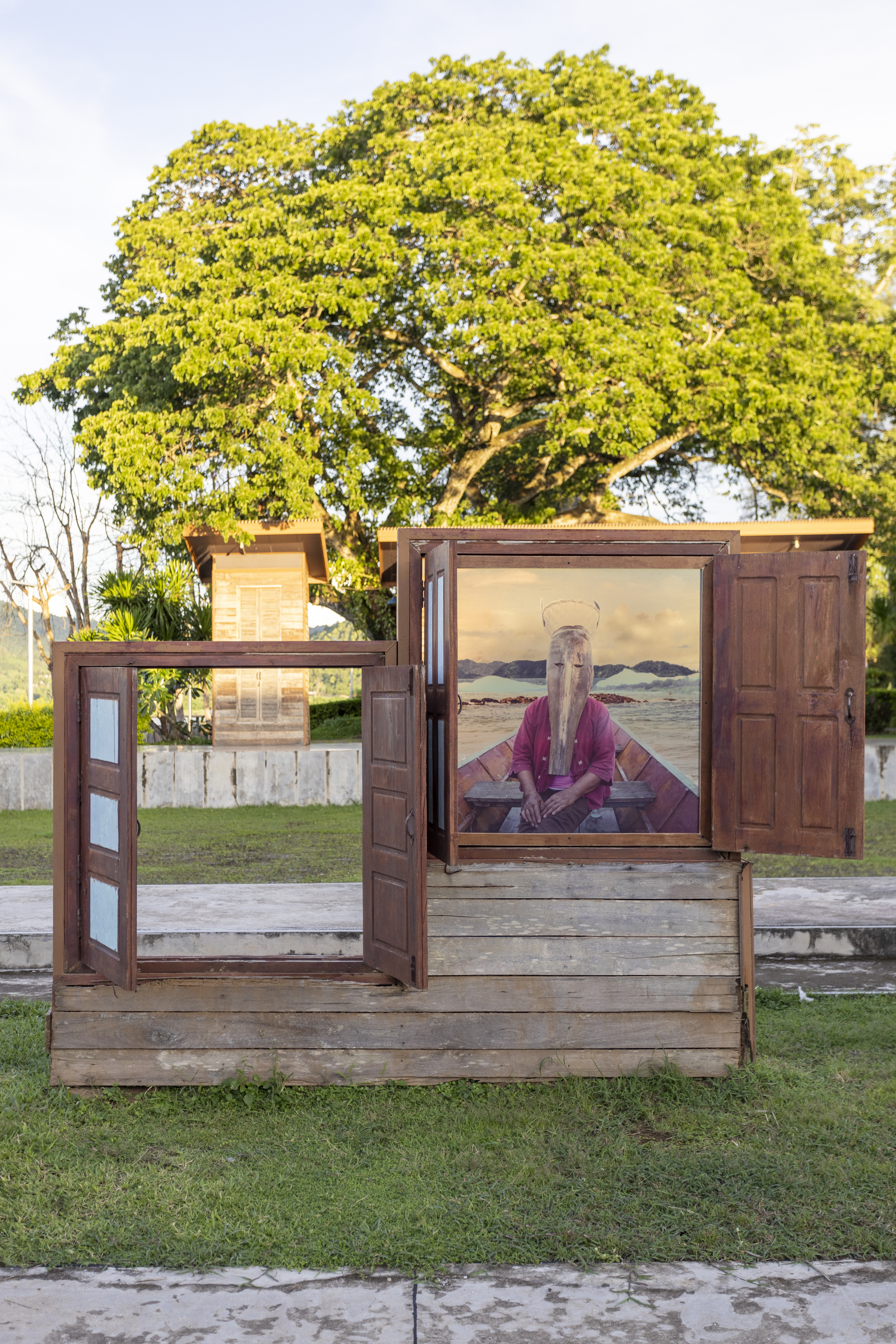
Tales from the Driftwoods, 2025
Supawich Weesapen
GMS Artists Exhibition 2025
Shared Currents, Shifting Grounds
GMS Artists Exhibition 2025
12 – 30 July 2025
Chiang Khan district, Loei province, Thailand
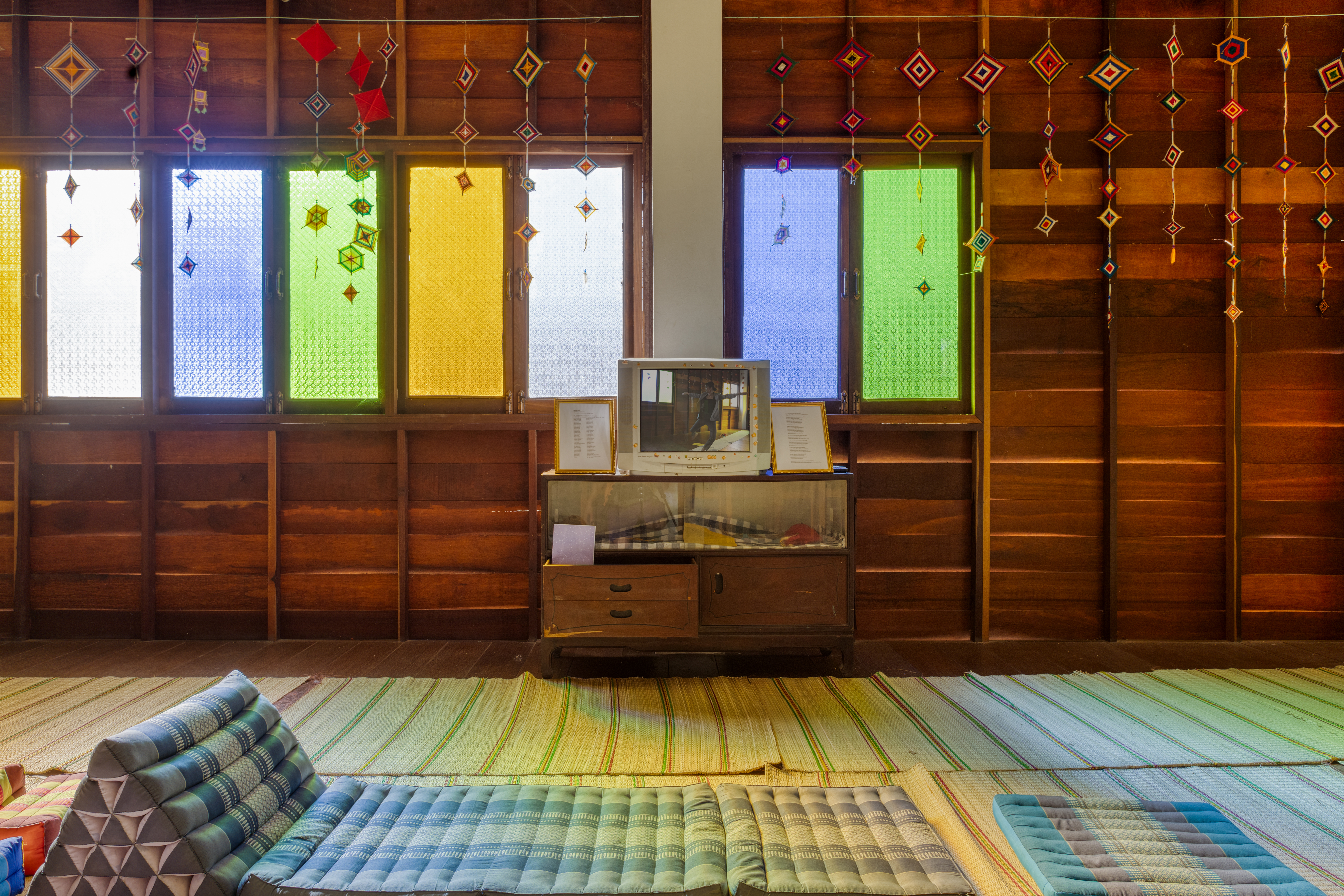
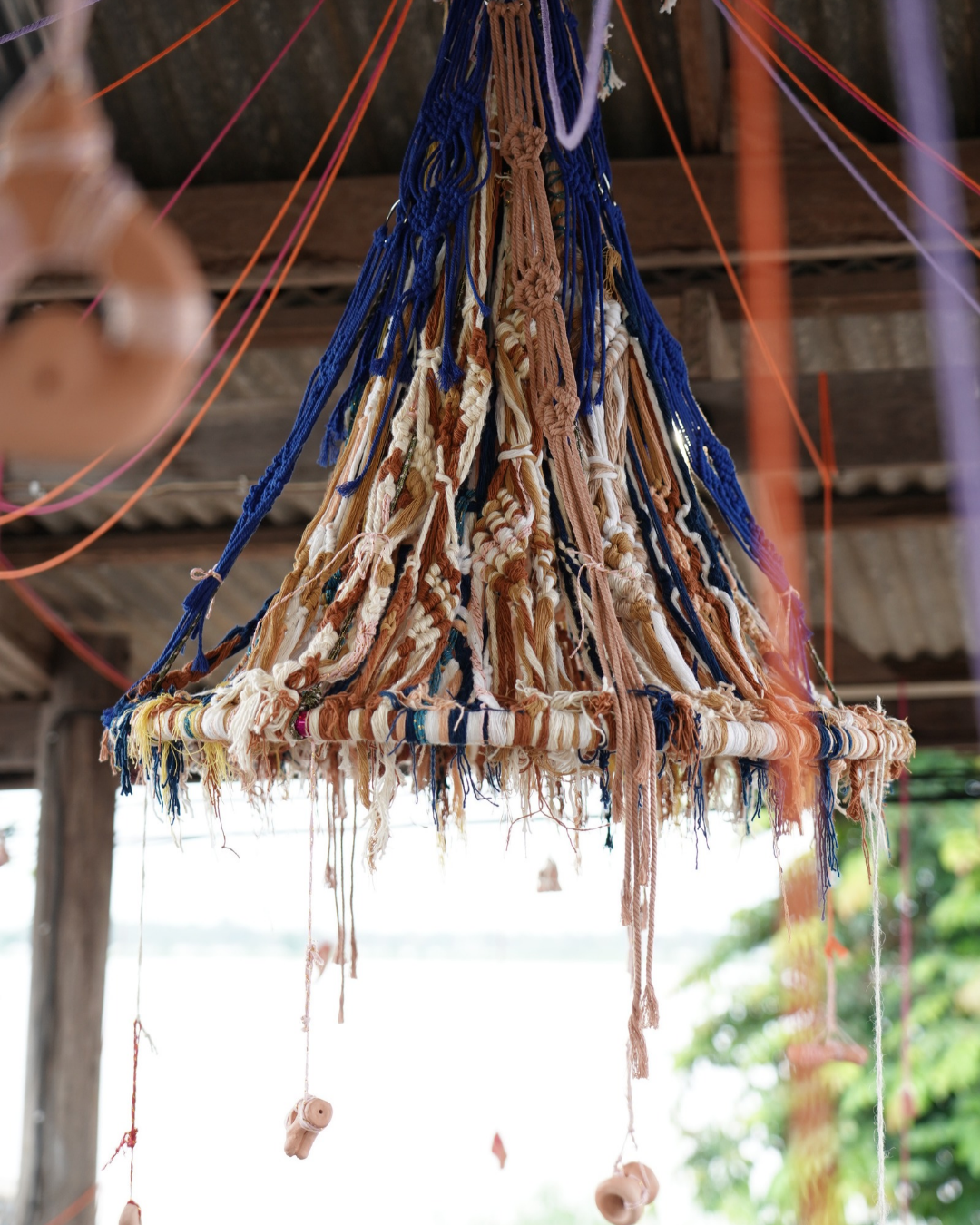
Bringing together eight artists from across the Greater Mekong Subregion, this exhibition emerges from the shared ecologies, histories, and cultural rhythms that flow along the Mekong River. Through scent, sound, movement, storytelling, installation, and video, the artists reflect on themes of memory, identity, belonging, and transformation in a region shaped by shifting borders, disappearing landscapes, and intertwined ancestries. From tracing the journey of cotton as a metaphysical witness, conjuring the scent logics of sacred plants, or channeling the spirit of the Phi Ta Khon mask, each work creates space for listening to what often goes unseen or unheard—ghosts, memories, currents, and rituals.
From Chiang Khan’s quiet riverbank to the energy corridors of Yunnan, the works speak to both loss and resilience—mapping the tension between infrastructure and intimacy, power and place. Driftwoods become archives of disappearing environments, while dragonfly nymphs embody the freedom to move without borders. Across these practices, the Mekong is not simply a body of water, but a metaphor: a fluid, interconnected space where past and present, boundaries and borders, personal and collective, continuously converge. This exhibition invites the audience into that current—where identities are not fixed, but always becoming.


Supawich Weesapen
Dinh Thao Linh
Mao Sovanchandy
Awika Samukrsaman
Haonan He
Noutnapha Soydala
Chaiyapat Yachay
Khin Thethtar Latt
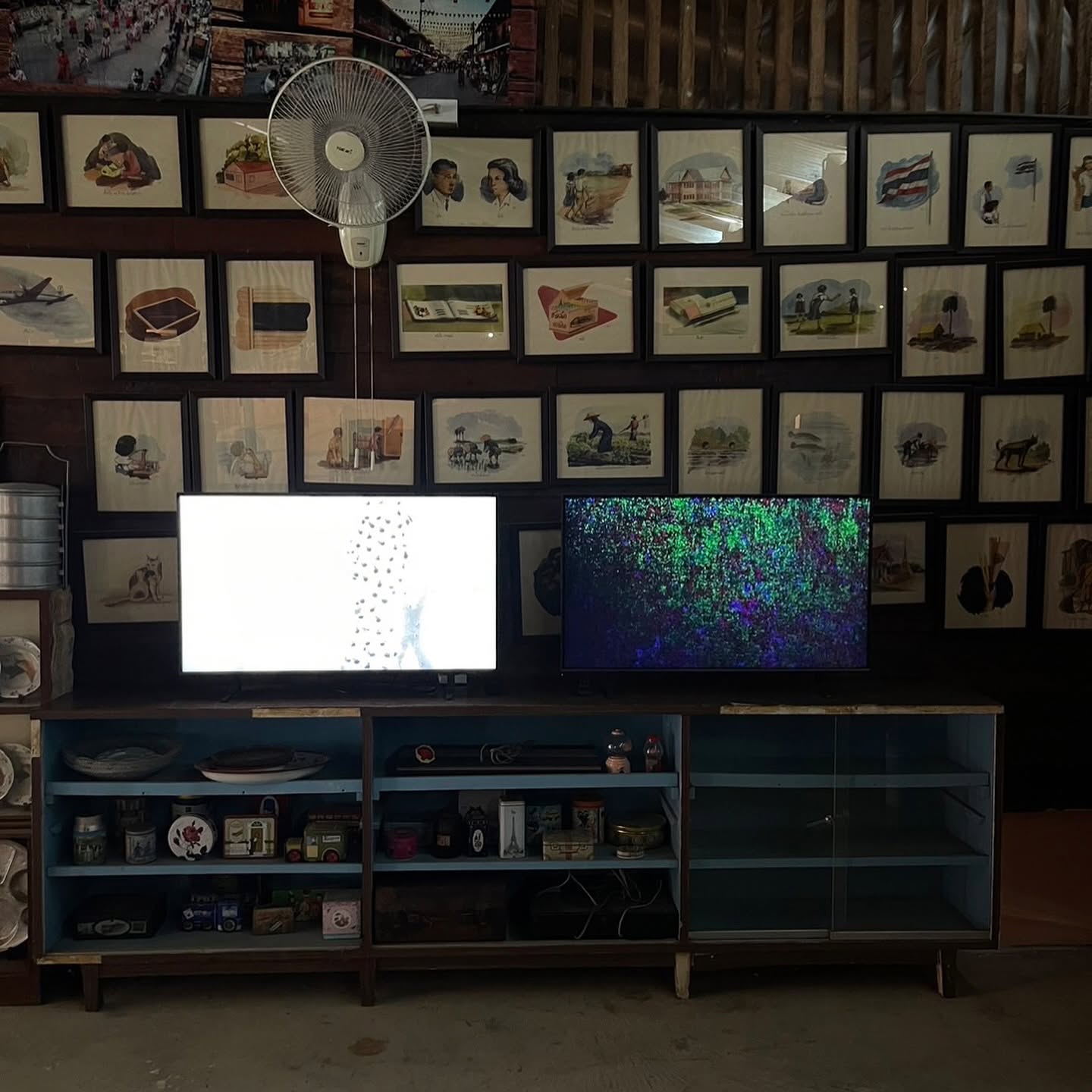
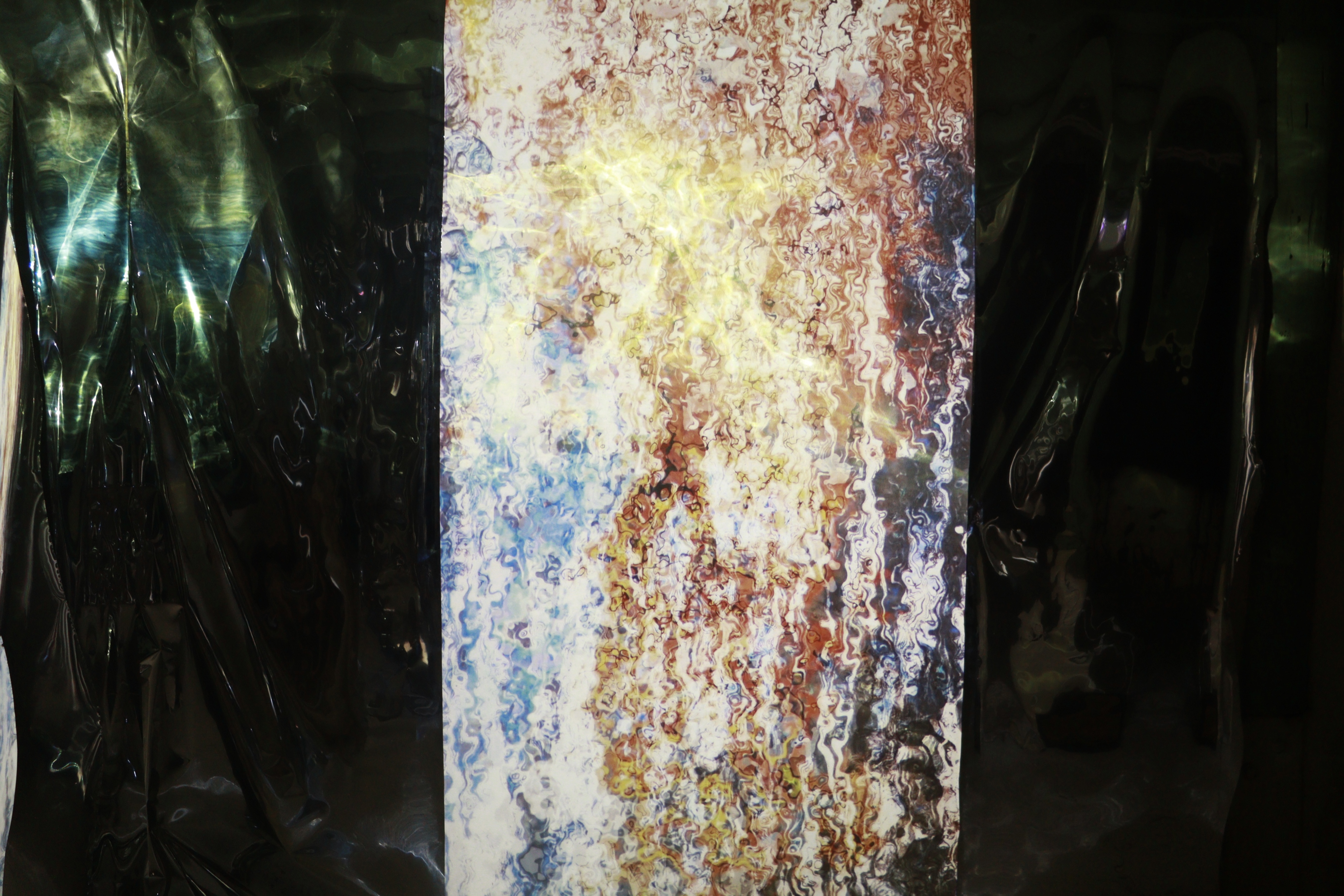
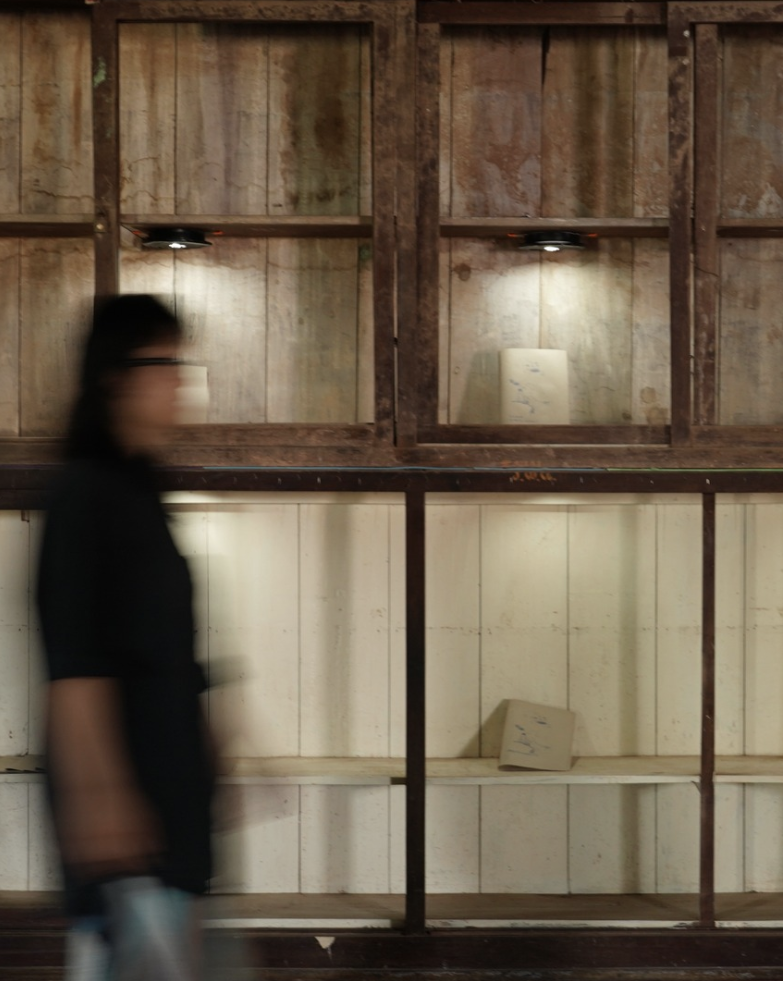
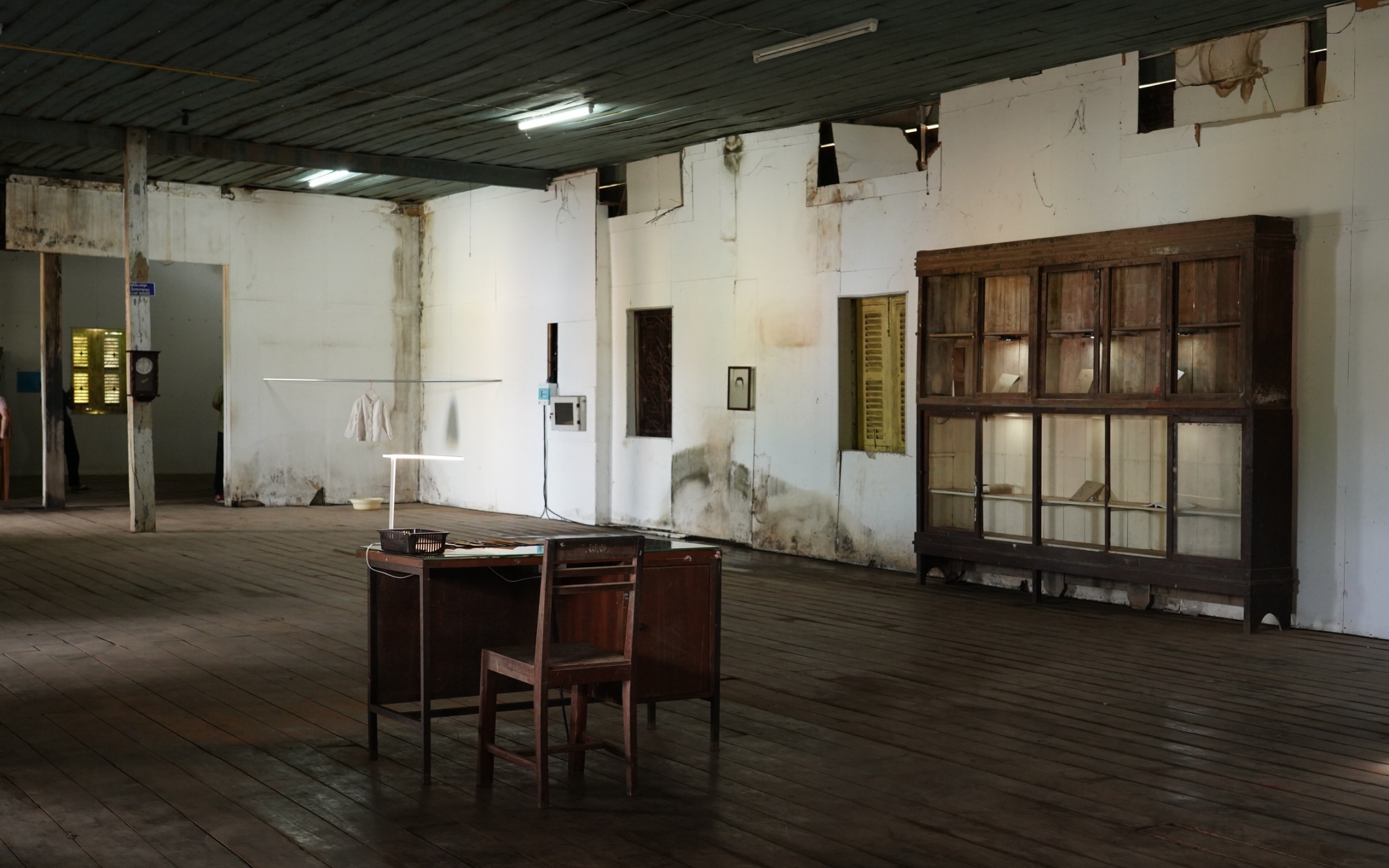
Why Do We Not Hear the Fish Voice? (Lullaby), 2026
Parichat Tanapiwattanakul
GMS Artists Exhibition 2026
Beneath the Currents of Memory
GMS Artists Exhibition 2026
9 – 23 August 2026
That Phanom district, Nakhon Phanom province, Thailand
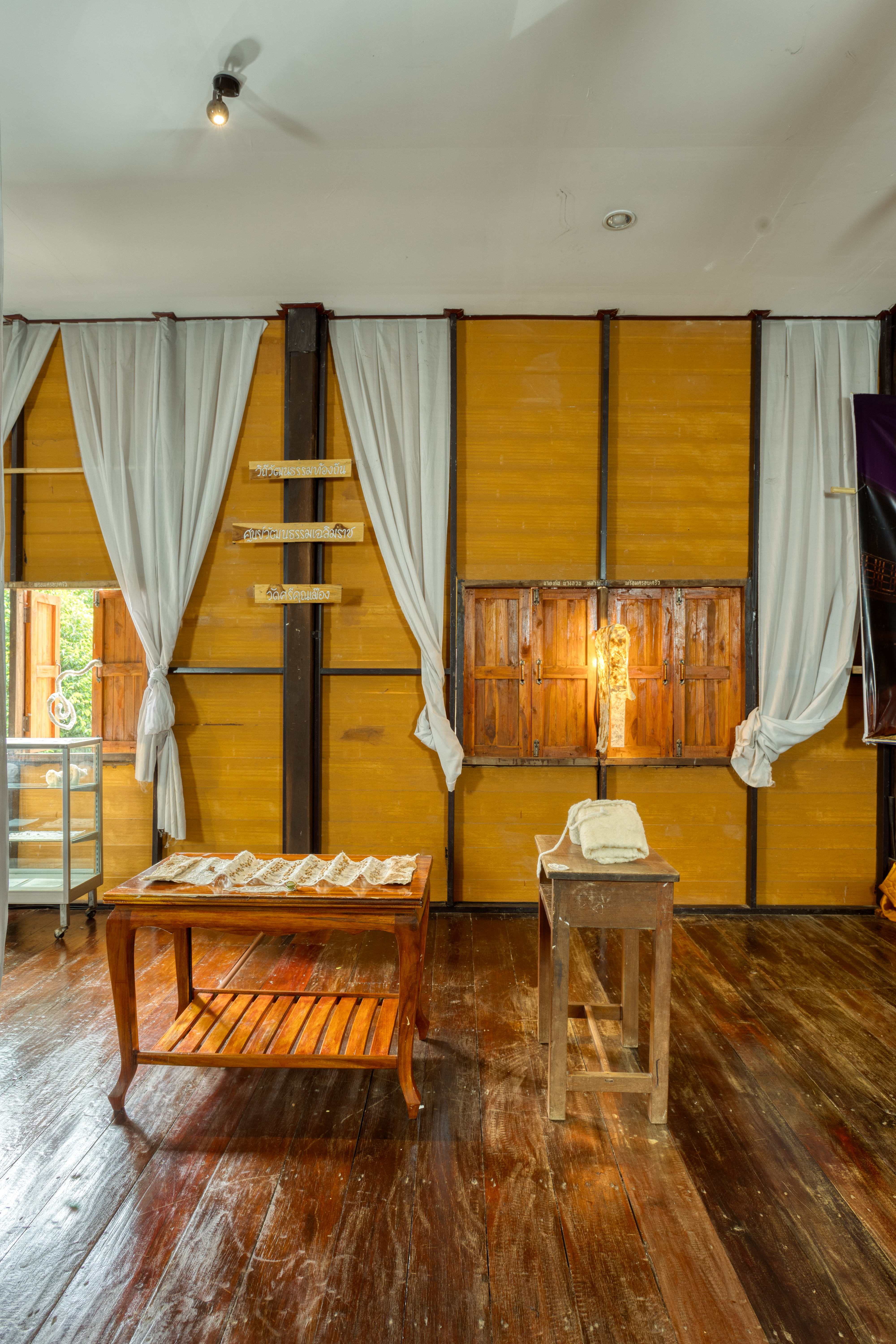
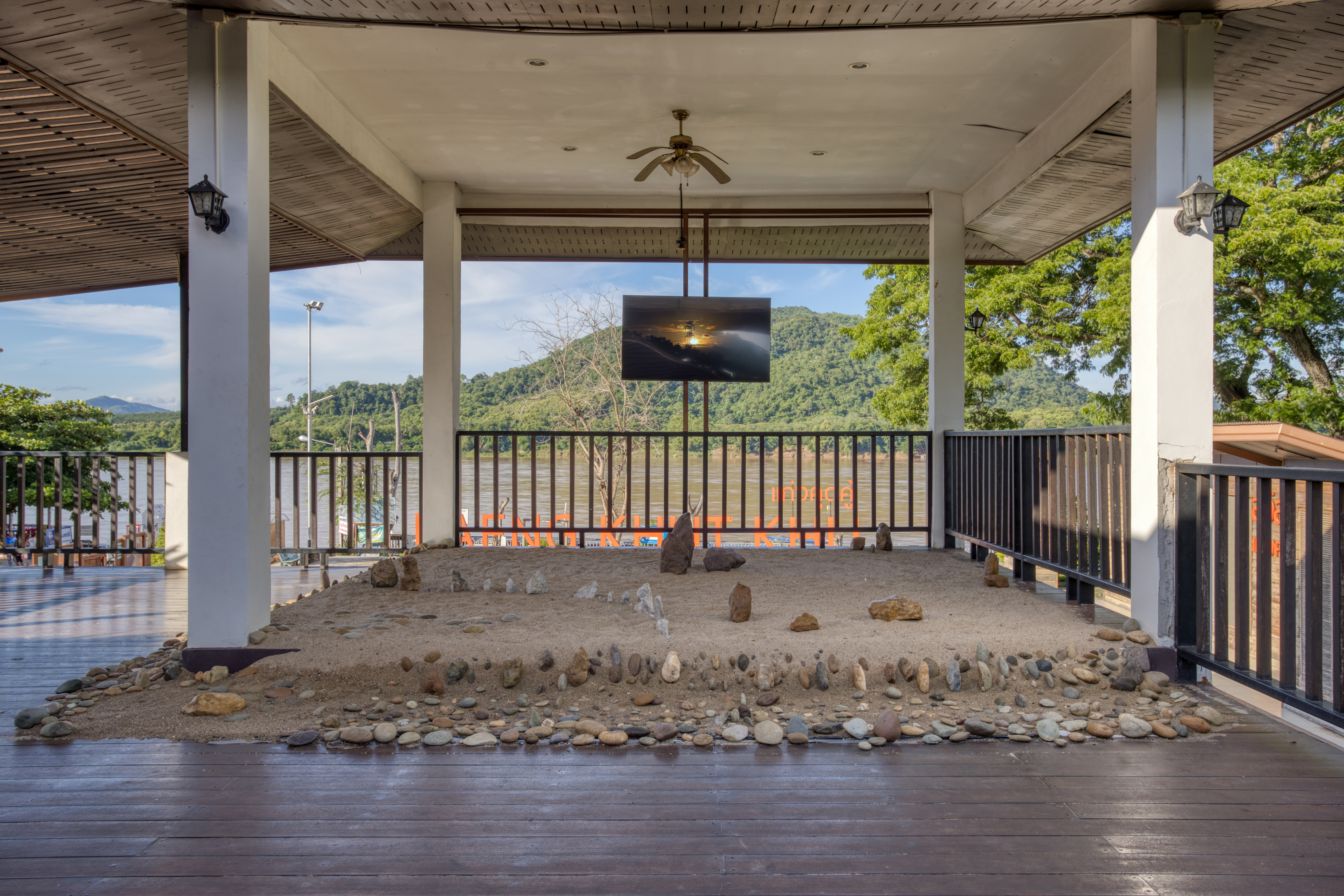
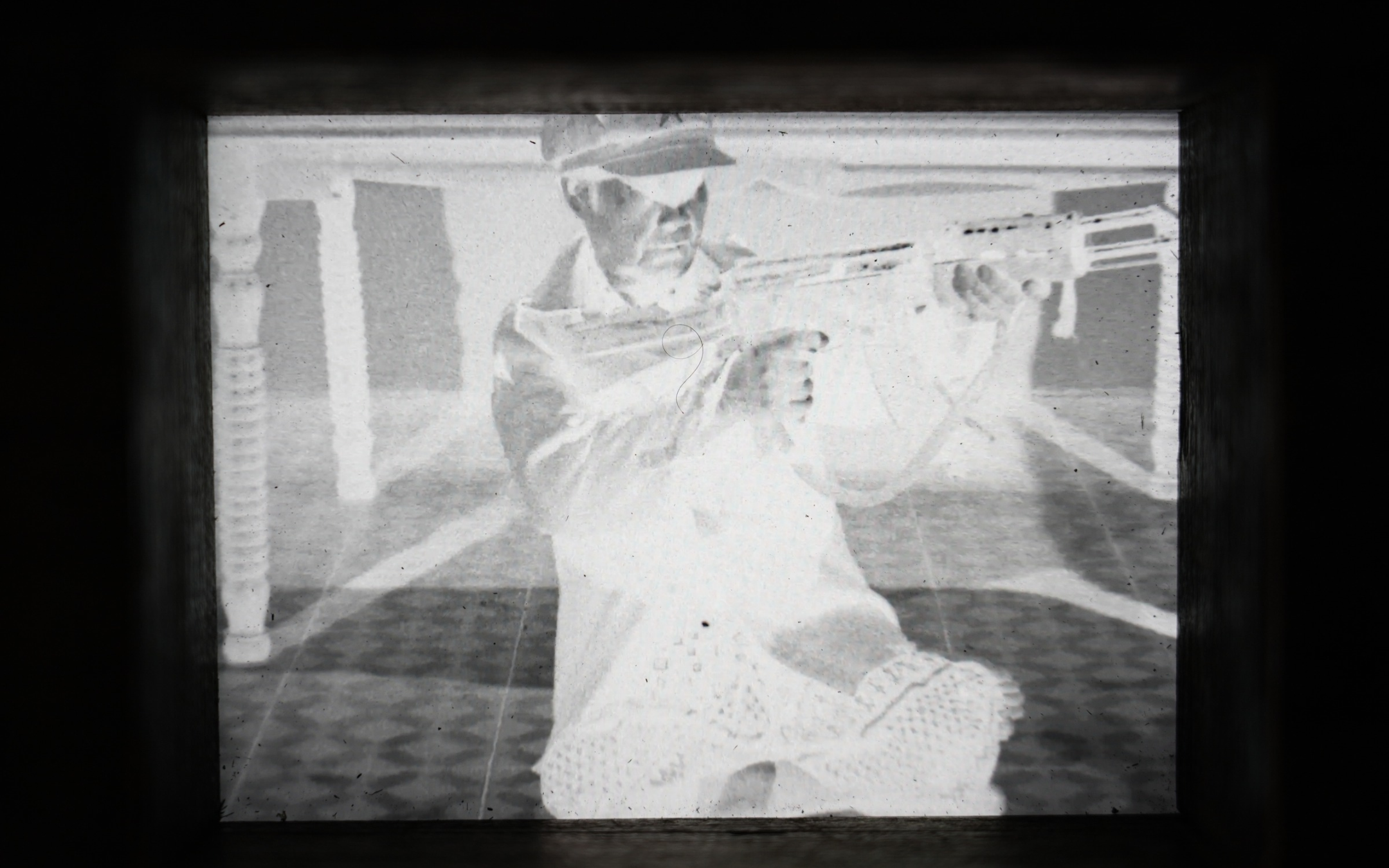
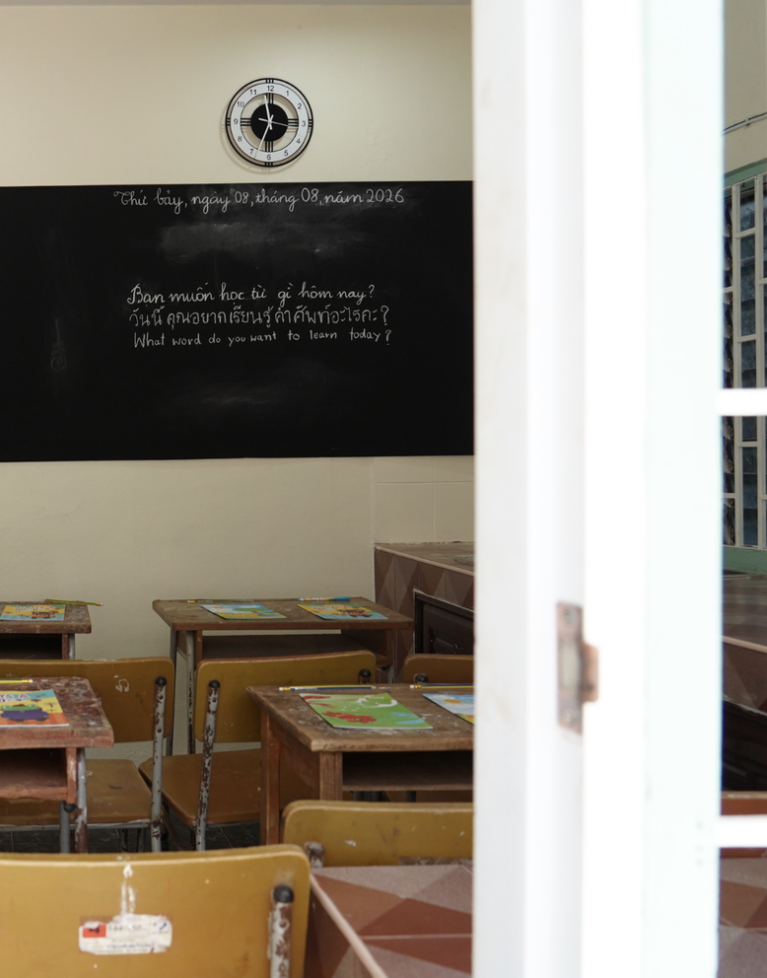
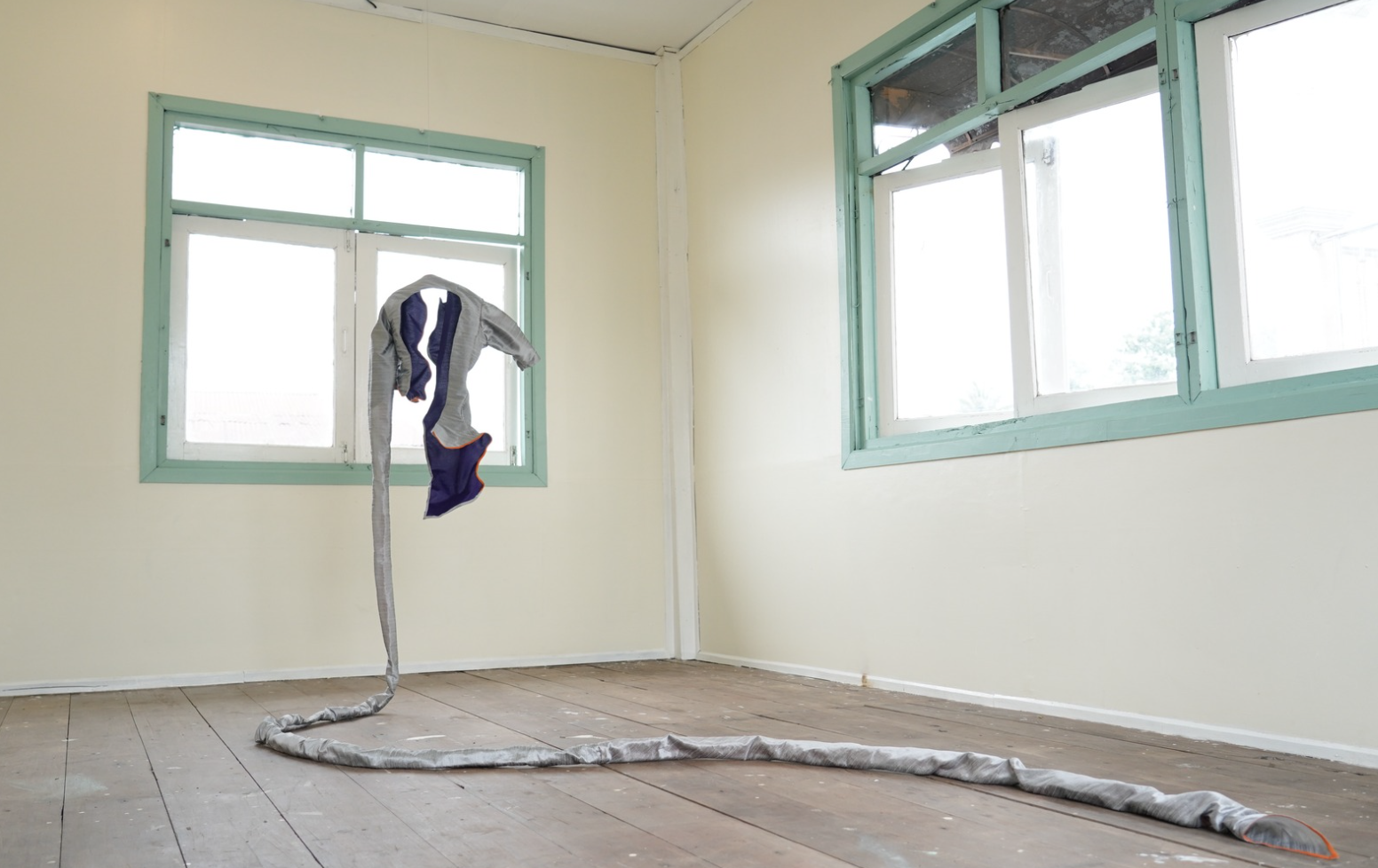
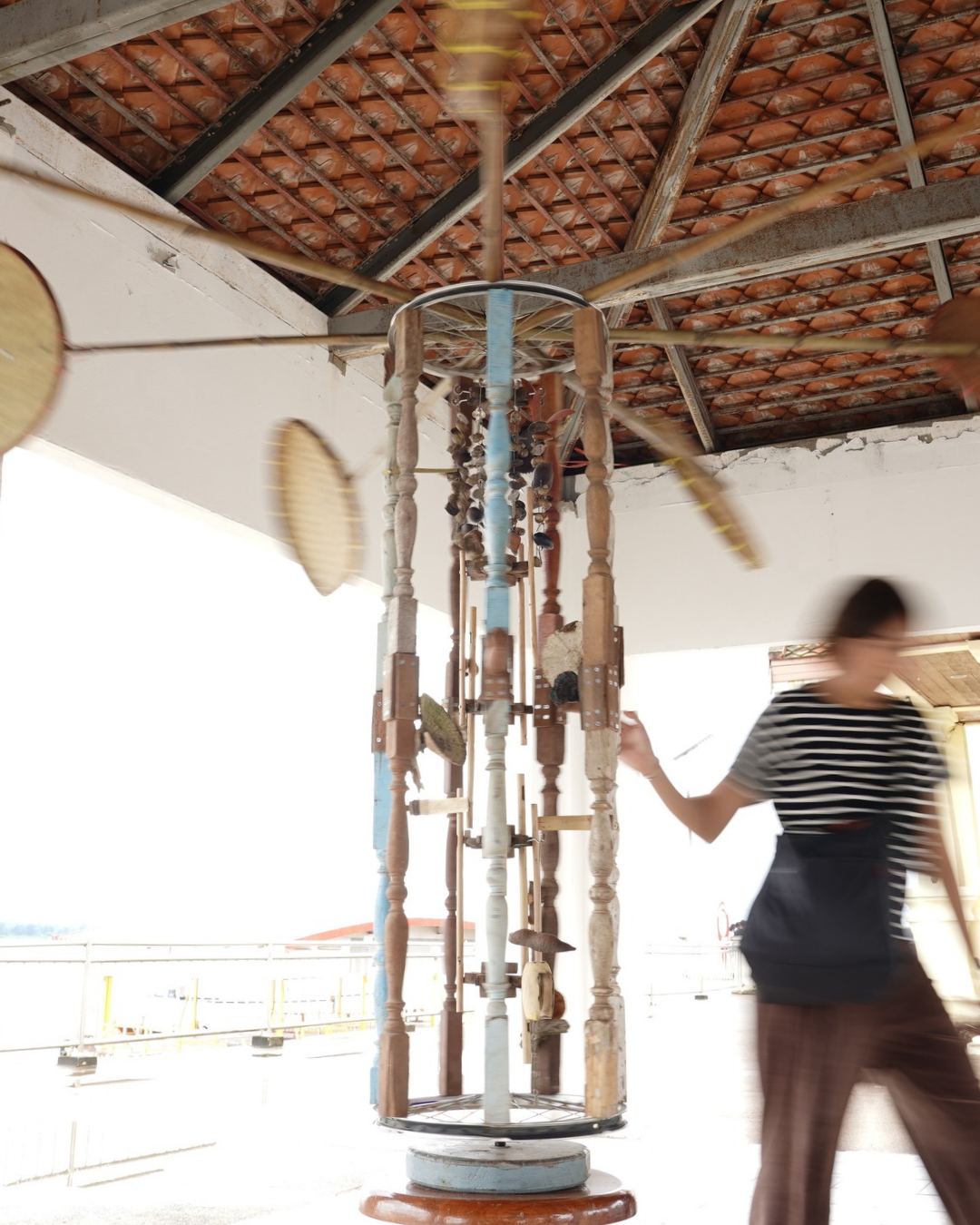
Bringing together six artists from the 2026 GMS Artist Residency Programme, this exhibition presents site-responsive works that emerge from encounters with the landscapes, communities, and histories of Nakhon Phanom. Across installation, sculpture, sound, moving image, and participatory practice, the exhibition explores memory not as a fixed archive, but as a living current—carried through rivers, objects, architecture, language, ritual, and the body.
Rooted in local narratives while resonating beyond place, the artworks attend to stories that often remain overlooked: the changing ecologies of the Mekong and Songkhram rivers, migration and displacement, inherited beliefs, political histories, and the fragile transmission of cultural knowledge across generations. Rather than reconstructing the past, the artists activate spaces where remembering becomes a collective and ongoing act, shaped by listening, making, and shared experience.
Like water that continually reshapes the land it flows through, memory is revealed here as fluid, layered, and unfinished. Beneath the Currents of Memory invites visitors to move through these intertwined histories, where personal recollections meet collective remembrance, and where what appears to have disappeared continues to circulate beneath the surface, waiting to be heard, reimagined, and carried forward.


Kitman Yeung
Lin Htet Aung
Parichat Tanapiwattanakul
Pietro Lo Casto
Souphalak Phongsavath
Tran Thao Mien
